
Financial Freedom: Simple Money Habits That Change Your Future
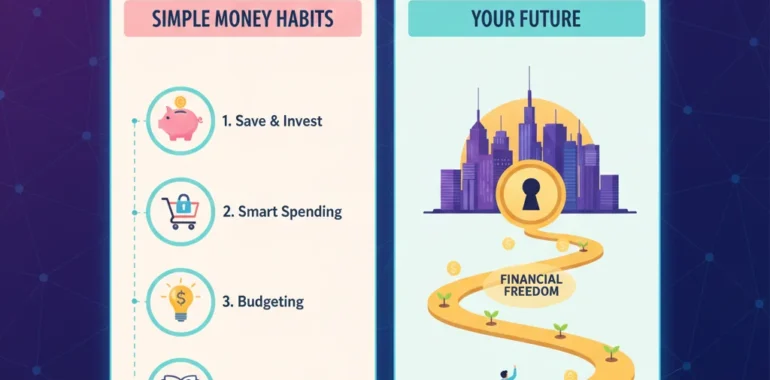
Financial Freedom: Simple Money Habits That Change Your Future
Simple Money Habits for Financial Freedom
Money peace doesn’t come from sudden wins or huge paychecks appearing out of nowhere. Slow choices, clear thinking, a steady hand on the wheel – these shape how you handle what you have.
Fresh choices today shape what comes next – small steps now bring lighter days ahead. Staying steady makes room for surprises that feel good.
This guide shows everyday actions anyone can try right now, even with little money or past experience.
What Financial Freedom Actually Is
Your choices get backed by cash when you reach financial freedom. Money moves with your plans, not against them
- fewer financial worries
- Debt that’s low enough to handle – or completely gone – when it comes to high interest amounts
- savings for emergencies
- investments for long-term goals
- the ability to choose work and lifestyle with more flexibility
Done isn’t better than perfect. Moving forward matters more.
Habit One Monitor Spending
Without tracking it, progress stays hidden.
Looking back at what you spent lately could show patterns you did not expect. Sort each cost under labels such as rent, groceries, travel, monthly fees, fun stuff. It often turns out money slips away on items used little or forgotten entirely.
Start by sketching out how money moves each month – keep it real, not rigid. Assign tasks to each dollar so none wander without direction. Tweak the plan when life shows new patterns. Learning shapes better choices over time.
Habit Two Pay Yourself First
Start by setting aside money first. Only after that handle your expenses.
Every paycheck can feed your future. Shift a piece of it – say 5%, maybe 10% – into savings or investments without thinking twice. Over time, bump that share higher if life allows. Sticking to the rhythm beats chasing big numbers.
Machines step in where willpower fades. Progress grows once habits run on their own.
Habit Three Save for Emergencies
Life throws curveballs – like a broken-down car, sudden doctor visits, or losing work. A flat tire shows up uninvited. Hospital costs arrive without warning. Work vanishes when you least expect it.
When there is no money saved, tough times often lead to owing. A single setback can quickly grow into a balance that must be paid back.
Begin by setting aside five hundred to one thousand dollars. After that, aim for enough to cover basic costs for three up to half a year. Store these funds apart from other accounts, somewhere you can reach when needed. This buffer guards what comes next in life.
Habit 4 Tackle High Interest Debt First
Money vanishes bit by bit when credit cards charge steep rates.
Two effective strategies:
✔ Debt Snowball
Sometimes starting small keeps you moving forward. Clearing a tiny debt early gives a quiet boost – like finding rhythm mid-step.
✔ Debt Avalanche
Start by tackling the debt with the steepest interest cost – it’ll shrink what you pay later. Ending there makes long-term sense.
Pick the plan you can follow through on – at the same time, stay clear of fresh debt as you work down what’s already owed.
Habit 5 Spend With Intention
Wait a moment before you buy. Feelings can push choices that later feel wrong. Think it through first
- Is this something I must have?
- Does that really weigh on my mind after a month has passed?
- Does it help me reach my goals?
Money follows what you care about most: safety first, then memories, then a steady future ahead.
Habit Six Invest For The Long Term
Putting money aside matters, yet growing it happens through smart choices over time.
Start small. Try basic choices first. Pick something easy to get going. A straightforward path works well at the beginning. Simple steps often lead forward just fine
- low-cost index funds
- ETFs
- retirement plans through your employer
Starting young gives money more room to build itself up, slowly piling gains on top of earlier ones. Stay away from schemes that promise fast wealth. Progress comes step by step, not in sudden jumps.
Habit 7 Build Multiple Income Streams
When pay comes just once a month, problems can start fast. Missing that single deposit might mean bills go unpaid by week’s end.
Consider exploring:
- freelance or side work
- Online tools or things you use on a screen
- online shops
- dividend-paying investments
Begin with tiny steps, try things out before moving faster. A little extra money brings room to breathe when life shifts unexpectedly.
Habit Eight Learn More About Money
A solid grasp of money matters packs serious power. What you know about finances shapes your choices more than most realize. This kind of understanding builds quietly but changes everything. It doesn’t shout – yet it moves the ground beneath your feet. Few things stay steady without it.
Start by opening a book on money matters, or tune into voices sharing real insights through audio. When you grasp how budgets work, what investing really means, along with handling debts wisely, choices begin feeling clearer. Suddenly, steps once confusing turn manageable – knowledge quietly builds confidence.
Lifetime growth begins with how you learn. The path stretches long when curiosity leads.
Habit 9 Review Plans Often
Fresh choices appear when old routines shift. Money plans grow better by adjusting along.
Every few months:
- review your spending
- adjust savings goals
- Look into how far you have come with paying off what is owed
- rebalance investments if needed
Mistakes fixed now tend to stay gone tomorrow.
Habit Ten Maintain Patience And Steady Effort
Sticking with smart choices month after month shapes how money feels later. Patience shows up quietly, day by day, in small decisions that add up. Doing the same helpful things regularly makes a difference nobody sees until it matters.
Some days it just feels like nothing’s changing – happens to everyone. Stick with small gains instead of big leaps. A little effort here, a bit there, things start shifting. Slow doesn’t mean stuck.
Final Thoughts
Money peace doesn’t come from chance – it grows through daily choices.
Watch where your cash goes. Savings grow when set up to happen on their own. Paying down what you owe clears mental clutter. Smart investing grows value over time instead of chasing quick wins. Stay curious about how money works. Small routines add up to steady ground beneath your feet. Less worry shows up in daily decisions. More paths open ahead simply by staying consistent.