
Personal Finance Tips That Actually Work: Save More, Spend Smarter
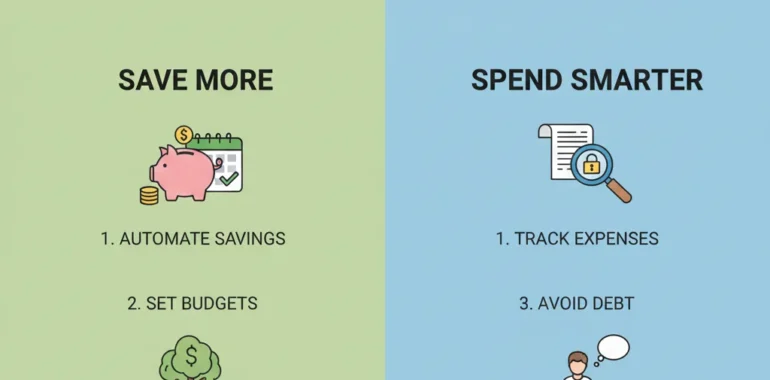
Personal Finance Tips That Actually Work: Save More, Spend Smarter
Personal Finance Tips That Actually Work: Save More, Spend Smarter
Managing money can feel overwhelming — especially when expenses rise, income feels limited, and financial advice online seems confusing or unrealistic. But personal finance doesn’t have to be complicated. With the right habits, simple strategies, and a long-term mindset, anyone can save more, spend smarter, and build financial security over time.
This guide shares personal finance tips that actually work in real life — practical, realistic, and proven to help you take control of your money.
Start with a Clear Picture of Your Money
Before changing your financial habits, you need to know where your money goes. Many people underestimate how much they spend on subscriptions, eating out, or small daily purchases.
Track your spending for 30 days using:
- a budgeting app,
- a spreadsheet, or
- even pen and paper.
Group expenses into categories like housing, food, transportation, debt payments, and entertainment. Seeing the numbers clearly helps you identify leaks and opportunities to save.
Awareness is the first step toward financial control.
Build a Simple Budget You Can Stick To
A budget isn’t about restriction — it’s about giving every dollar a purpose.
One common approach is the 50/30/20 rule:
- 50% for needs (rent, food, utilities)
- 30% for wants (dining out, entertainment, hobbies)
- 20% for saving and debt payoff
You can adjust the percentages to fit your lifestyle, but the idea remains the same:
prioritize essentials, control lifestyle spending, and consistently save.
Automate as much as possible so your budget works without constant effort.
Build an Emergency Fund First
Financial stability starts with protection. An emergency fund prevents unexpected expenses from turning into debt.
Aim to save:
- $500–$1,000 as a starter goal, then
- build up to 3–6 months of expenses.
Keep this money in a separate savings account — not where you’ll be tempted to spend it. When emergencies happen, you’ll feel prepared instead of stressed.
Pay Off High-Interest Debt Strategically
High-interest debt — especially credit cards — can quietly drain your income. If you’re paying 18–25% interest, it becomes difficult to move forward financially.
Two popular payoff strategies:
1️⃣ Debt Snowball
Pay off the smallest balances first for quick wins and motivation.
2️⃣ Debt Avalanche
Pay off the debts with the highest interest rates first to save the most money.
Choose the method that keeps you motivated — the best plan is the one you’ll actually follow.
Recommended Articles :
Save Automatically — Don’t Rely on Willpower
Most financial success comes from automation. Set up automatic transfers so money goes to:
- savings
- retirement accounts
- investment accounts
before you have a chance to spend it.
This concept — paying yourself first — ensures saving becomes a habit, not an afterthought.
Spend Smarter by Prioritizing Value
Spending wisely doesn’t mean depriving yourself. It means spending intentionally.
Ask yourself three questions before a purchase:
- Do I really need this?
- Will it still matter to me in 30 days?
- Is there a cheaper or better alternative?
Look for ways to save on recurring expenses:
- compare insurance and phone plans,
- cancel unused subscriptions,
- shop with a list,
- cook more meals at home.
Small savings repeated over time create meaningful results.
Use Credit Cards Wisely — or Not at All
Credit cards can be useful tools when handled responsibly — they offer rewards, protection, and convenience. However, they become dangerous when balances carry over month to month.
Best practices:
- pay the balance in full each month,
- avoid using credit for non-essentials,
- keep utilization below 30% of your limit.
If credit cards trigger overspending, switching to cash or debit may be the smarter path.
Start Investing — Even with Small Amounts
Saving is important, but saving alone rarely builds wealth. Investing allows your money to grow over time through compound interest.
Begin with simple, low-cost investments like:
- index funds
- ETFs
- retirement accounts (such as IRAs or employer plans)
You don’t need large amounts to begin. Even $25–$50 a month is valuable when you start early and stay consistent.
Focus on long-term growth, not quick gains.
Plan for Retirement Now, Not Later
Retirement may seem far away, but the earlier you contribute, the easier it becomes. If your employer offers a matching contribution, always try to contribute enough to receive it — it’s essentially free money.
Increase contributions gradually as your income grows. You’ll thank yourself later.
Protect Yourself with Insurance and Security
Financial success isn’t only about earning and saving — it’s also about protecting what you have.
Consider:
- health insurance
- renter’s or homeowner’s insurance
- life insurance (if others depend on your income)
Also practice digital security: strong passwords, two-factor authentication, and awareness of scams. Protecting your finances prevents costly setbacks.
Avoid Lifestyle Inflation
As people earn more money, they often spend more — new cars, bigger homes, expensive gadgets. This is called lifestyle inflation, and it can keep you stuck paycheck to paycheck, no matter your income.
When you get a raise or bonus:
👉 increase savings first,
👉 then enjoy a small upgrade if you want.
This balance allows your wealth to grow instead of disappearing.
Set Financial Goals and Review Them Regularly
Clear goals give direction and motivation. Examples include:
- saving for a home
- paying off debt
- building an emergency fund
- retiring earlier
Break big goals into smaller milestones and track your progress every few months. Adjust as life changes — flexibility is part of good financial planning.
Final Thoughts: Simple Habits Create Strong Finances
Personal finance isn’t about perfection — it’s about consistent, smart decisions over time. When you:
- track spending,
- save automatically,
- avoid high-interest debt,
- invest regularly,
- and live below your means,
you create financial freedom step by step.
The most important action is simply to start today. Small improvements — repeated — lead to lasting results.